
Essential Products For Concrete Curbings You Should Know About
Get insights into the key tools and materials needed to produce durable and attractive concrete curbings easily.
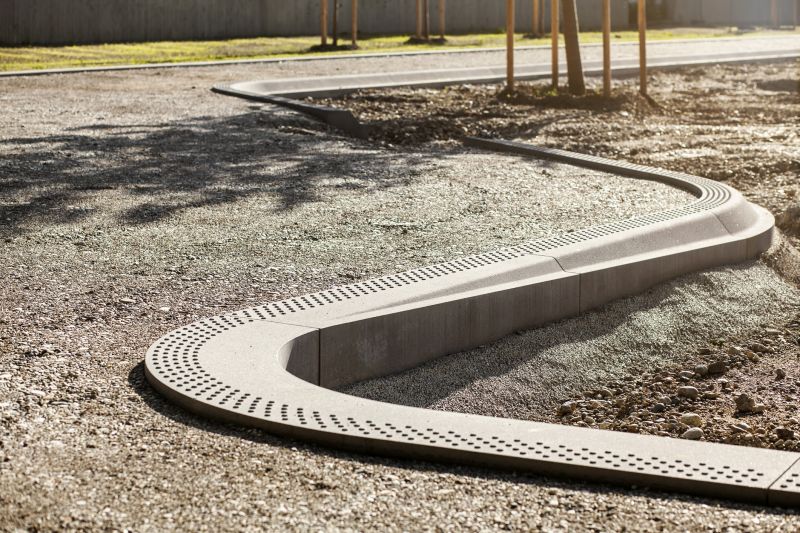 Concrete curbing products are essential components for creating durable and aesthetically pleasing landscape borders, edging, and dividers. These products come in various forms, including pre-formed concrete blocks, flexible edging materials, and molds designed for creating custom shapes. When selecting products for concrete curbing, it is important to consider factors such as durability, ease of installation, design versatility, and compatibility with different soil conditions. Properly chosen products can enhance the visual appeal of outdoor spaces while providing functional separation between lawns, flower beds, pathways, and driveways.
Top Overall Option
Concrete Curbing Mold Kit
A versatile concrete curbing mold kit offers a comprehensive solution for creating custom-shaped borders. These kits typically include multiple molds for different curve radii and styles, allowing for creative flexibility. Designed for both DIY enthusiasts and professionals, they facilitate easy pouring and shaping of concrete to achieve consistent, attractive results. The durability of the molds ensures repeated use, making them a practical investment for ongoing landscape projects.
Types of Products For Concrete Curbings
Pre-formed Concrete Blocks
Pre-formed concrete blocks are ready-to-use units that can be quickly installed to create straight or curved borders, ideal for DIY projects.
Flexible Edging Strips
Flexible edging strips are made from rubber or plastic, allowing for easy shaping along curves and contours.
Concrete Curbing Molds
Molds enable the creation of custom-shaped curbs by pouring concrete into various forms, suitable for detailed or decorative borders.
Interlocking Curb Blocks
Interlocking blocks provide stability and ease of installation for longer or more complex borders.
Stamped Concrete Edging
Stamped concrete products incorporate patterns and textures to mimic natural stone or brick for decorative effects.
Cast-in-Place Forms
Forms used for pouring concrete directly into the desired shape on-site, offering customization options.
Plastic or Rubber Edging
Flexible plastic or rubber edging is lightweight and simple to install, suitable for temporary or semi-permanent borders.
Concrete Curbing Stones
Decorative stones made from concrete that can be stacked or arranged for aesthetic borders.
Landscape Edging Tape
Tape-based edging provides a quick and affordable way to create clean lines along garden beds.
Polymeric Edging Products
Polymer-based materials offer flexibility and durability for various landscape edging needs.
Concrete Pavers
Pavers are modular units that can be used to build curbs, pathways, or decorative borders with various finishes.
Custom Concrete Form Liners
Liners allow for intricate textures and patterns to be embedded into poured concrete curbing.
Popular Choices
Molds are favored for their ability to produce consistent, decorative curbing shapes in various styles.
Pre-made edging units are widely used for quick installation in residential and commercial landscapes.
Flexible plastic strips are popular for their ease of installation along curves and irregular shapes.
Interlocking units are commonly chosen for their stability and straightforward assembly.
Stamped borders are trending for their decorative patterns that mimic natural materials.
Custom forms are popular among professionals for creating tailored concrete borders.
Decorative stones are used frequently for ornamental landscape borders and accents.
Edging tape remains a popular choice for quick, clean, and affordable borders.
Polymer edging options are favored for their durability and flexibility.
Pavers are often selected for their versatility and aesthetic options in creating borders.
Forms that allow for detailed customization are increasingly used for unique curb designs.
Many concrete curbing solutions are designed to be versatile, allowing for customization in height, width, and curvature. Some products are specifically engineered for DIY installation, featuring lightweight materials or flexible molds that accommodate different landscape contours. Others are more suited for professional contractors seeking long-lasting, high-strength options. The variety of textures and finishes available enables homeowners and landscapers to achieve a range of aesthetic effects, from smooth and polished to textured and rustic.
Installation methods vary depending on the product type, with some requiring simple pouring and setting within molds, while others involve stacking or interlocking components. It is advisable to evaluate the soil type, climate conditions, and the desired visual outcome when choosing concrete curbing products. Proper preparation, including soil excavation and reinforcement, can help ensure the longevity and stability of the finished curb. Regular maintenance, such as sealing and cleaning, can further extend the lifespan of concrete curbing installations.
Overall, selecting the right products for concrete curbing involves balancing factors like cost, ease of use, durability, and aesthetic preferences. Whether for a small garden border or a large commercial landscape project, the right product can provide a reliable, attractive solution that enhances outdoor spaces for years to come.
Key Buying Considerations
- Durability and weather resistance to ensure long-term performance.
- Ease of installation, especially if undertaking DIY projects.
- Compatibility with existing landscape features and soil types.
- Range of design options including textures, finishes, and shapes.
- Material weight and portability for handling during installation.
- Cost and overall budget constraints for the project.
- Maintenance requirements, such as sealing or cleaning.
- Flexibility for shaping curves and irregular borders.
- Availability of replacement parts or additional units.
- Compatibility with other landscape elements like pavers or stones.
- Environmental conditions like freeze-thaw cycles that may affect materials.
- Ease of transportation and storage of the products.
- Manufacturer reputation and product reviews for reliability.
- Options for decorative finishes or patterns to match aesthetic goals.
- Availability of accessories such as connectors, spacers, or sealants.